

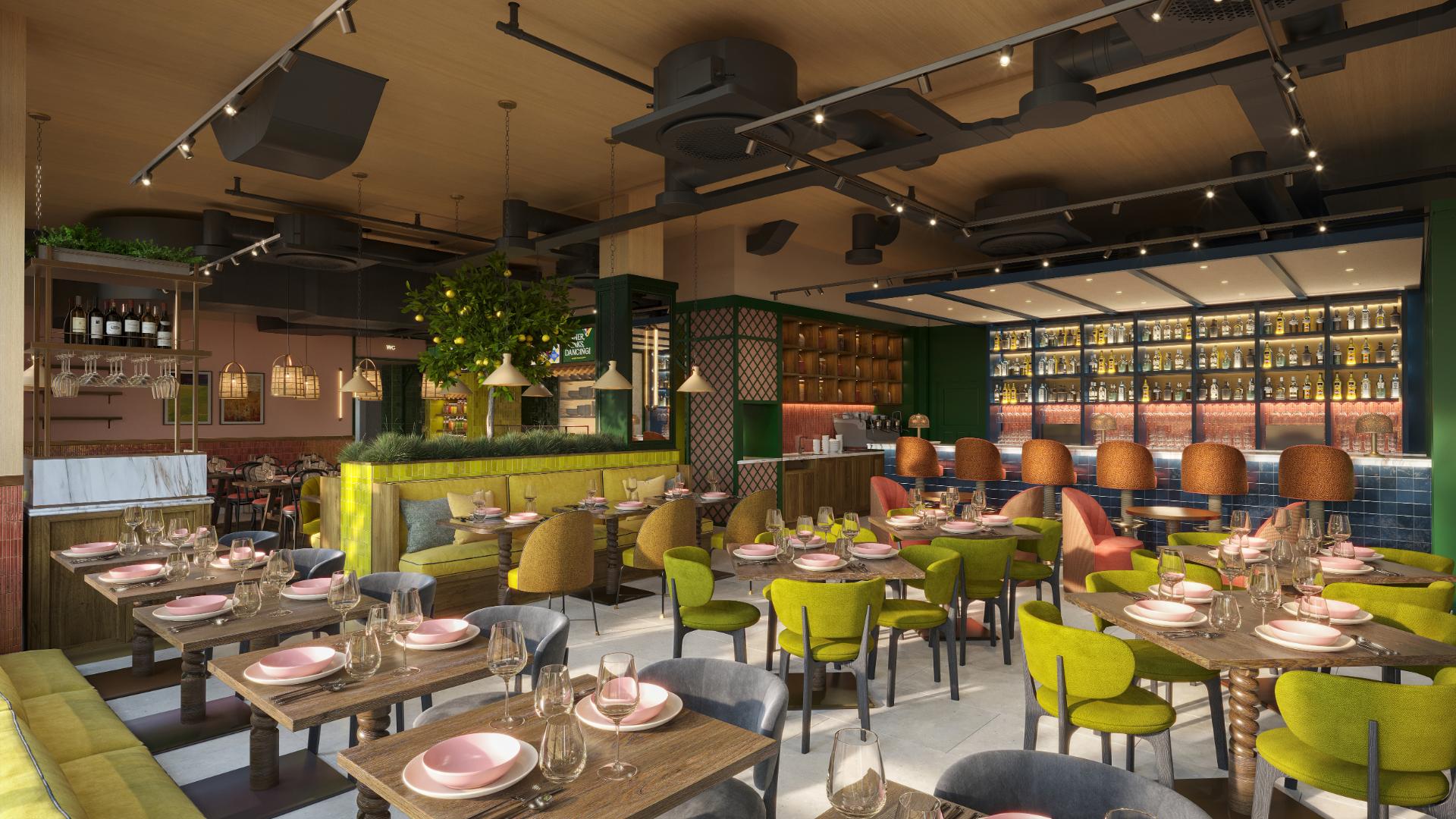
Why Architecture Matters in Hospitality
In the competitive landscape of the UK leisure industry, architecture serves as the fundamental framework that defines a brand’s identity and dictates its commercial viability. High-quality hospitality architecture transcends mere aesthetics, acting as a strategic tool to engineer a specific guest experience through the mastery of light, sound, and spatial sequence. By prioritising operational efficiency, a specialist architect ensures that “back-of-house” logistics—such as kitchen-to-table flow and staff service routes—are seamless, directly reducing overheads and enhancing service speed. Furthermore, the integration of biophilic design and superior acoustic control creates a restorative ambience that drives guest loyalty and justifies premium pricing. Ultimately, a well-conceived architectural design transforms a hospitality project from a functional space into a high-performing asset, where every square metre is optimised for both guest satisfaction and long-term ROI.

Layout, Flow & Customer Experience
In the high-stakes world of hospitality, the layout and flow of a space are the primary drivers of the customer experience, acting as a physical map of the brand’s service standards. A specialist architect designs these elements to be “frictionless,” ensuring that the journey from the entrance to the table or guestroom is intuitive and free of bottlenecking. By strategically separating “clean” guest paths from “dirty” service flows, the architecture maintains an atmosphere of effortless luxury; for instance, guests should never have their views obstructed by staff clearing glass or restocking stations. Furthermore, a well-optimised floor plan maximises “prime real estate”—such as window views or fireside seating—while eliminating “dead zones” that feel isolated or undesirable. In 2026, successful UK hospitality projects use these architectural principles to reduce guest anxiety and increase “dwell time,” which directly correlates to higher spend-per-head and improved online ratings. Key architectural principles for flow and experience are:
- The Decompression Zone: A well-designed entrance layout that allows guests to adjust to the ambience and lighting before being greeted, reducing the “rushed” feeling often found in standard commercial units.
- Sightline Management: Using architectural features like mezzanine levels or decorative screens to create privacy without sacrificing the “buzz” of a busy restaurant or hotel lobby.
- Operational Connectivity: Ensuring the bar and kitchen are centrally located relative to the seating zones to decrease travel distance for staff, which ensures food arrives at the optimum temperature and service remains prompt.
Lighting, Acoustics & Materials for Mood & Comfort
In high-end hospitality design, the interplay of lighting, acoustics, and materials forms the invisible architecture that defines a venue’s atmosphere and guest comfort. A specialist architect uses these elements to curate a sensory experience that evolves throughout the day, ensuring the space feels as welcoming during a bright breakfast service as it does for an intimate evening dinner. By integrating layered lighting schemes—combining ambient, task, and accent fixtures—designers can highlight key architectural features while subconsciously guiding guest behaviour and mood. This is paired with precision acoustic engineering, where the strategic selection of sound-absorbing materials, such as timber panelling or acoustic plasters, prevents a “cavernous” din and allows for private conversation even in high-capacity rooms. Furthermore, the choice of tactile materials, from natural stone to warm hardwoods, communicates a sense of quality and permanence. In the modern UK market, meeting Building Regulations for thermal and acoustic performance is merely the baseline; the true value of architectural design lies in using these sensory tools to create an environment where guests feel intrinsically comfortable, driving repeat visits and premium brand positioning.
Compliance, Accessibility & Regulations
In the UK hospitality sector, strict adherence to compliance, accessibility, and building regulations is not merely a legal checkbox but a fundamental pillar of business risk management and inclusive brand value. Central to this is Approved Document M, which dictates that all hospitality venues must be usable by everyone, regardless of age or physical ability. This includes providing step-free access, wide circulation routes (typically requiring a 1200mm minimum width), and specific ratios of accessible guestrooms—often at least one in every twenty. Beyond physical access, the Equality Act 2010 mandates “reasonable adjustments” to prevent discrimination, making features like hearing loops and tactile signage essential for the guest experience. From a planning perspective, securing a change of use (often under Class E for restaurants or C1 for hotels) requires a rigorous assessment of local impact, including noise and waste management. When these elements are integrated early by a specialist architect, they ensure a smooth transition from construction to operation, avoiding the costly retrofitting or legal penalties that stem from non-compliance with fire safety (Part B) or thermal performance (Part L) standards. Key compliance and accessibility checklist:
- Door Widths: Main entrances and internal doors on accessible routes should provide a minimum clear opening of 800mm to 850mm.
- Sanitary Facilities: Accessible WCs must follow BS 8300 standards, ensuring a 1500mm x 1500mm turning circle and correct grab rail placement.
- Vertical Circulation: In multi-storey venues, lifts must be sized to accommodate wheelchairs and mobility scooters with clear audio-visual indicators.
- Fire Safety (Part B): Compliance requires clearly marked evacuation refuges and tailored fire risk assessments for guests with limited mobility.
- Planning Use Classes: Most restaurants fall under Class E, while hotels are C1; switching between these often requires a full planning application unless specific Permitted Development rights apply.
Working with a Hospitality Architect — What to Expect
When embarking on a complex commercial project, engaging a specialist hospitality architect ensures that your vision is translated into a technically sound and commercially viable asset. Working with an expert in this field moves beyond simple floor plans; it involves a high-level coordination of brand strategy, operational flow, and regulatory compliance. Working with a hospitality architect begins with a deep dive into your business model and target demographic, ensuring the design supports your RevPAR (Revenue Per Available Room) or average cover goals. You should expect a rigorous feasibility study where the architect assesses the site’s constraints against your capacity requirements and local planning policy. Throughout the design stages, the architect acts as a lead consultant, synchronising the work of interior designers, mechanical and electrical (M&E) engineers, and kitchen consultants to ensure that “back-of-house” infrastructure—like heavy-duty extractors and grease traps—is seamlessly integrated without compromising the “front-of-house” ambience. From navigating complex Part M accessibility hurdles to managing the tender process for specialist contractors, a hospitality architect provides the technical oversight needed to deliver a “turnkey” solution. Their involvement minimises onsite risks, ensures the building meets strict fire safety (Part B) and acoustic standards, and ultimately protects your investment by creating a space that is as efficient to run as it is beautiful to experience.
Conclusion
In the hospitality and restaurant sectors, strategic architecture acts as a silent engine for commercial success, directly shaping the guest experience through intuitive flow and a curated ambience. By masterfully manipulating spatial volume, acoustic layering, and biophilic lighting, a specialist architect creates a “sense of place” that encourages longer dwell times and repeat visits. Beyond aesthetics, the architectural layout is fundamental to operational efficiency; a well-designed floor plan optimises service routes and “back-of-house” logistics, reducing staff fatigue and accelerating table turnover. Ultimately, investing in high-quality hospitality design transforms a venue into a powerful brand asset, where the seamless integration of form and function drives higher revenue per guest and ensures long-term viability in a competitive UK market.
To discover more, see our hospitality architecture services here, or get in touch for some initial advice here.


