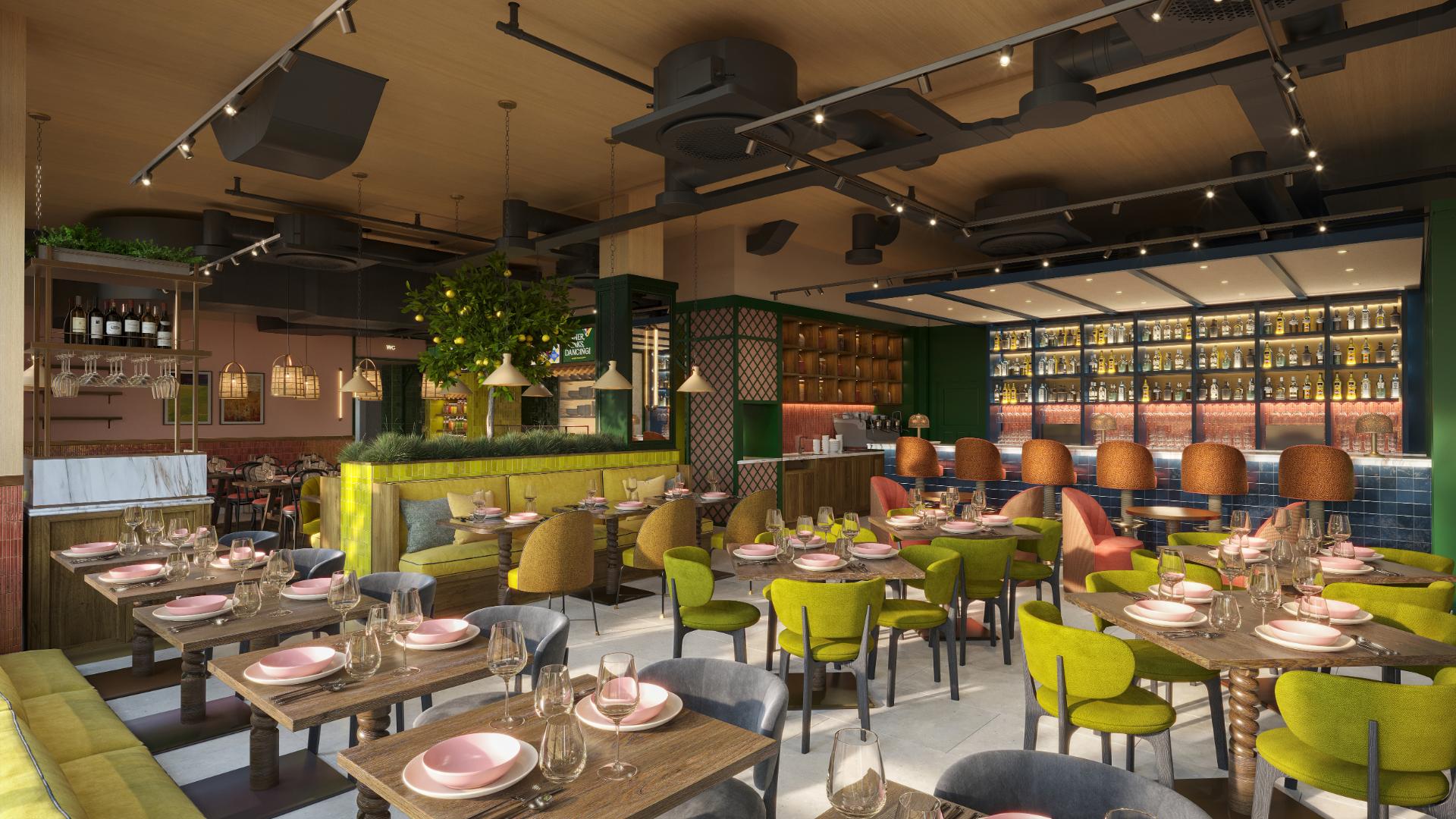
CBBA have been appointed to work on a fit out of a restaurant in the modern Export building at the East India Dock in London. The project is for a restaurant chain and works are due to be completed soon.

Our restaurant architects combine creativity and functionality to design dining spaces that captivate guests.
Cameron Bosque Brookes Architects specialise in the design and creation of one-off, location-specific restaurants, cafés, bars and hospitality venues. We design immersive hospitality experiences designed to create a unique and memorable experiences for each customer.
Many of our clients are independent owners and operators. We work in partnership with them to add value to their businesses and realise their vision. When opening a restaurant or redesigning your existing one, finding the right team to bring your culinary vision to life is crucial. We take pride in our team of experienced restaurant architects, dedicated to turning your restaurant dreams into reality.
Designing a restaurant is a complex process that involves careful planning and execution. Cameron Bosque Brookes’s restaurant architects follow a comprehensive step-by-step process to ensure your restaurant project is a success. We work closely with interior designers and other design team consultants as lead designers to manage the project and offer a start to finish full RIBA Stage service.
We’re straight-talking, approachable people who will listen first and guide you on your design and build journey.
Explore some of our amazing bespoke architectural designs.

Commercial
This fit-out project for Dao Food Express marks an exciting venture into UK hospitality for them. Dao specialises in the exportation of tea and coffee, grown and farmed from their own land in China.
Commercial
CBBA have been appointed to work on a fit out of a restaurant in the modern Export building at the East India Dock in London. The project is for a restaurant chain and works are due to be completed soon.
The biggest issue with 2d plans and 3d images is that our clients struggle to understand the designs concept and when you are paying thousands of pounds on a building project this is not good enough. We use virtual reality as part of the design process to show you options and allow you to walk around the proposals as if you would in real life. You get a sense of how the completed building will feel and the sense of space.
 Posted on Google
 martyn sakol
Trustindex verifies that the original source of the review is Google.
We have been delighted about the way Grant and the team at CBBA, have understood our aspirations for our additional space, and how they have translated that into a building design that we are really excited about. Grant is really great to work with. He got us effortlessly through the planning process and he and the team are highly recommended by us. We look forward to working with them as our project is realised. Martyn & AlessandraPosted on Google JasWe had a fantastic experience with CBB Architects planning our single storey extension. With this being the first project like this that we have undertook, we felt we were in great hands since Grant was informative and always responded quickly to any questions. He took the time to understand exactly what we wanted and offered his own advice and creative ideas that really improved the final design. We would have no hesitation in recommending CBB architects.Posted on Google
 Mohammed AzamuddinIt’s been a pleasure working with Grant on several projects, including a residential large HMO planning on St Albans rd. he been consistently responsive, knowledgeable, and client-focused, always considering return on investment. Being local to Cambridge has also been a real asset when dealing with planning matters. I wouldn’t hesitate to recommend them.Posted on Google
 Josie StevensOliver Brookes assisted us from survey to preparation of initial concept design options and ideas to preparation and submission of a full planning application. This was a very smooth & timely process. We now look forward to working with him on the technical design stage.Posted on Google
 Lucy owersAmazing Service - super responsive and helpful with getting my planning permission application updated with the correct documents! ThankyouPosted on Google
 dimitris vasilopoulosDuring Stage 3 (planning period), Oliver Brookes provided exceptional services, carefully developing the design and addressing all planning requirements with professionalism and expertise. Their thorough approach and attention to detail enabled us to successfully obtain planning permission. We are now looking forward to moving into Stage 4 and continuing the project with the same high level of collaboration and quality. We highly recommend them for any kind project.Posted on Google
 Kaisa Maki-PetajaWe had a fantastic experience with CBB architects. Grant really understood our vision and turned it into clear, well-designed plans that perfectly matched what we wanted. They guided us smoothly through the planning permission process, which was handled efficiently and successfully. They also helped us choose the right builders, which made a big difference. Throughout, they were patient, helpful, and always responsive. We would highly recommend them.Posted on Google
 nicola holdstockGrant was genuinely brilliant. I needed an extremely quick turn around for planning permission and listed buildings advice. He was so professional and approachable. I genuinely couldn't recommend Cameron Bosque Brookes Architects more highly.Posted on Google
 Harry GreshamOur trusted surveyor recommended CBB.We worked with Oliver who helped us design our extension and reconfigure our internal floor plan to make the most of the space. Very happy with the outcome. Oliver was responsive to telephone and email queries and had the know-how to navigate the planning process with us. We would use Oliver and CBB again in the future and would recommend them to friends, family and colleagues.Posted on Google
 valentina ruffoloI had an outstanding experience working with Grant Cameron from Cameron Bosque Brookes Architects. From the first conversation, he was exceptionally kind, attentive, and genuinely listened to our needs and constraints. His approach was pragmatic and solution-oriented, consistently translating my vision into thoughtful, buildable designs without compromising on quality or aesthetics. Communication was seamless providing clear cost transparency and smart value-for-money. I would recommend them to anyone seeking a client-focused, reliable, and budget-conscious architect.

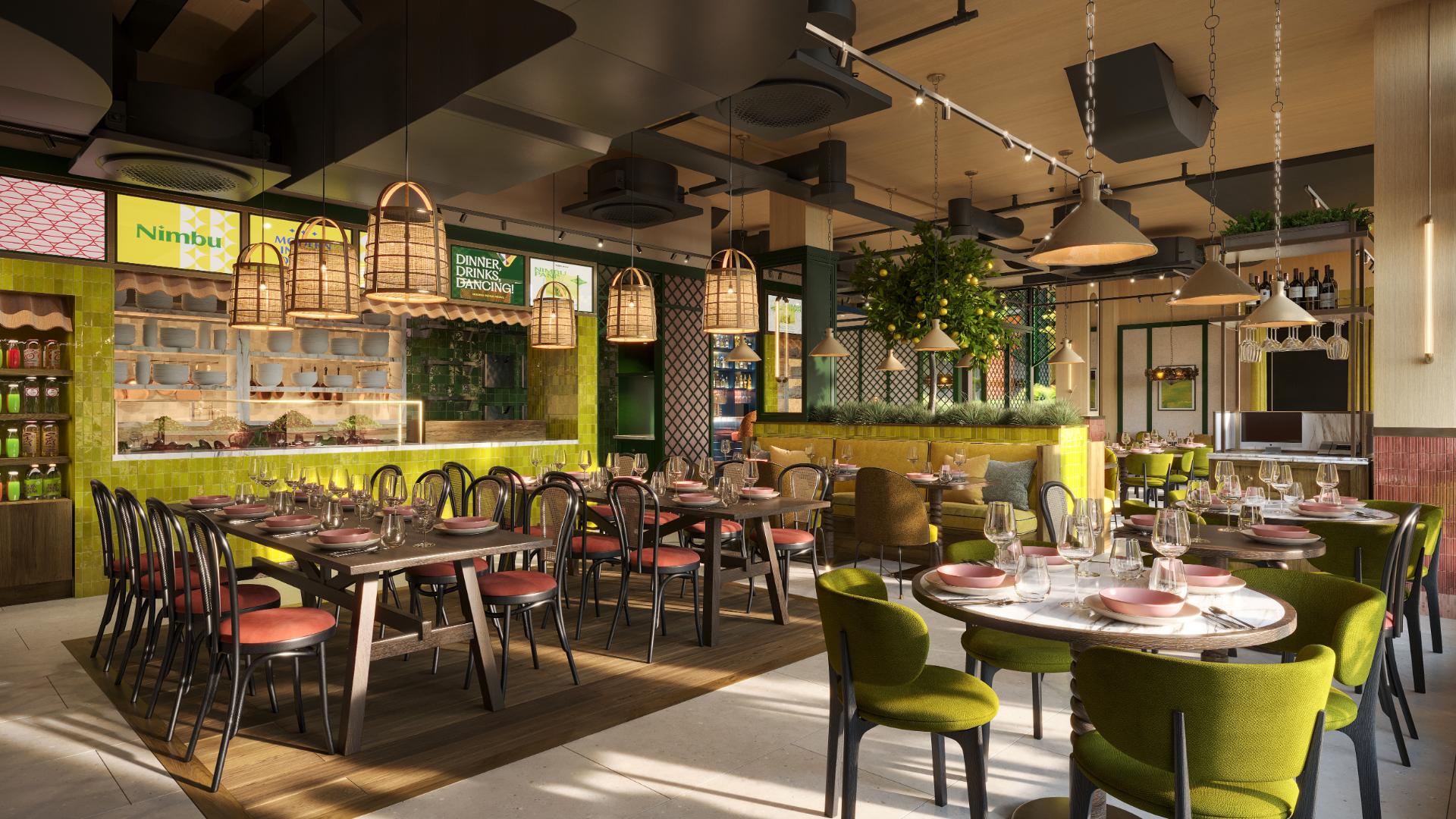
Our restaurant architects bring a wealth of knowledge and creativity to the table. They understand that designing a restaurant is not just about aesthetics; it’s about creating an immersive experience for your customers. With years of experience our commercial architects have the expertise to transform your ideas into functional, aesthetically pleasing, and profitable dining spaces.
Find answers to common questions about our architectural services and how we can assist you.
The industry standard is typically a 40/60 split (40% for the kitchen, storage, and staff areas; 60% for the dining room and bar). If the kitchen is too small, your "ticket times" (how long food takes) will suffer during a rush. If the dining room is too small, you won't have enough seats to hit your break-even point. An architect helps balance this "revenue vs. capacity" equation based on your specific menu complexity.
The "Deadly Cross": Ensuring the path for servers carrying hot food doesn't cross the path of guests walking to the restrooms. Server Stations: Strategically placing POS systems and water stations so servers don't have to walk back to the kitchen for every small request. Delivery/Takeout: Designing a dedicated pickup zone so delivery drivers don't linger in the main entrance and disrupt the "vibe" for dine-in guests.
HVAC (Ventilation): A restaurant kitchen generates massive heat and smells. An architect must ensure the "Make-Up Air" system is strong enough so the dining room doesn't smell like old fryer oil or feel like a sauna. Acoustics: Hard surfaces (tile, brick, wood) look great but create an echo chamber. Architects suggest "hidden" solutions like acoustic ceiling baffles or soft underside-table treatments to ensure guests can hear each other without the room feeling dead.
This isn't just about how many chairs you own; it's about Occupancy Loads. Exit Widths: The number of people allowed is often limited by the width of your exit doors and the distance to them. Restroom Ratios: Local health codes often dictate that for every number of seats, you must have a number of toilets. If you want 100 seats but only have space for two single-use restrooms, the council will force you to reduce your seating capacity.
Modern restaurants live and die by social media. Architects now design specifically for "The Shot," which includes: Lighting Zones: Creating "warm" pools of light over tables that make food look appetizing in photos, while keeping communal areas dimly lit for mood. Durability (Commercial Grade): Everything an architect specifies must be "Contract Grade." Residential chairs will break within months in a high-volume restaurant; fabrics must be "rub-tested" (Martindale scale) to ensure they won't wear thin after thousands of diners.